HTT
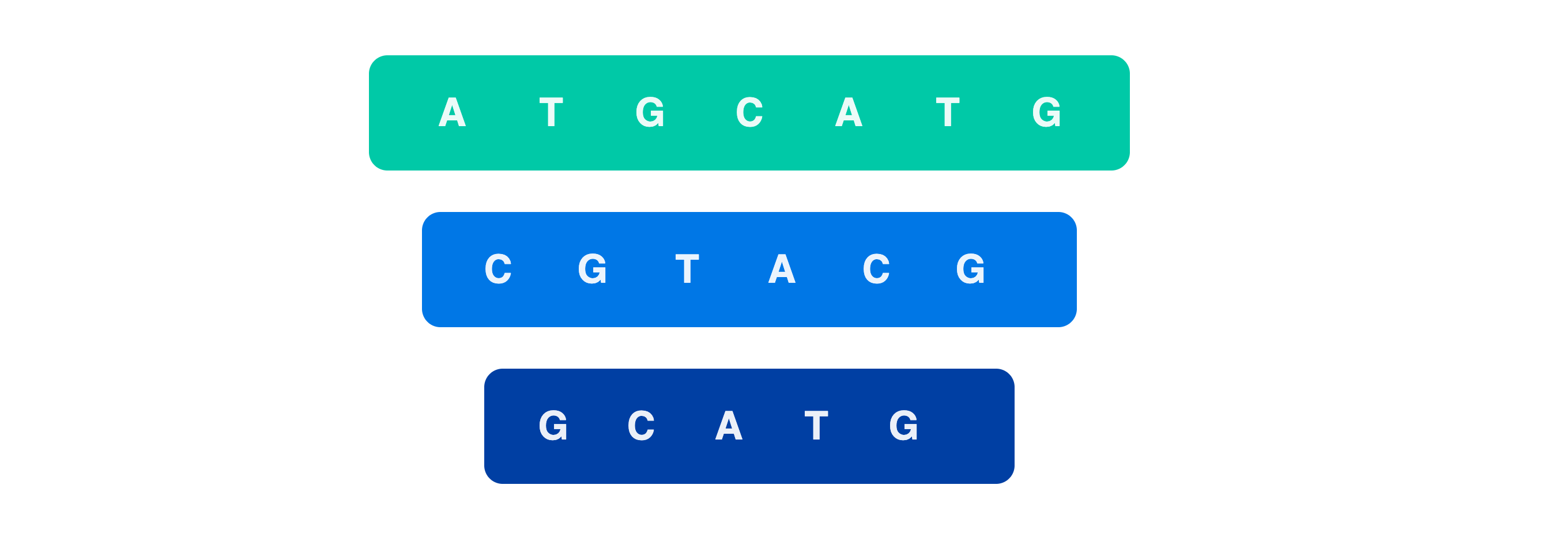
The HTT geneGeneA stretch of DNA that codes for a functional product, usually a protein. carries a stretch of DNADNADouble-stranded molecule storing genetic information as A, T, G, C bases. where the three letters CAG repeat over and over. This codes for a run of one amino acidAmino acidMonomer with an amino group, carboxyl group, and unique side chain. (glutamine) inside the huntingtin proteinProteinA folded chain of amino acids that performs a specific function in the cell..
When the repeat expands to 36 or more copies, the proteinProteinA folded chain of amino acids that performs a specific function in the cell. misfolds and slowly damages brain cells, causing Huntington's disease. It is inherited in an autosomalAutosomalReferring to a gene on a non-sex chromosome (autosome). Autosomal genes are inherited equally by males and females. dominantDominantAllele expressed when at least one copy is present. pattern, so a single expanded copy is enough, and each child of an affected parent has a 50% chance of inheriting it.
Gene function
HTT encodes a large proteinProteinA folded chain of amino acids that performs a specific function in the cell. called huntingtin, which is found in cells throughout the body but matters most in neurons (nerve cells).
Its exact job is not fully understood, but it acts as a scaffold: it helps move cargo along the inside of neurons and supports the transport of BDNF (brain-derived neurotrophic factor), a survival signal that keeps certain brain cells alive. Normal huntingtin is essential: in mice, removing it completely stops the embryo from developing. So the geneGeneA stretch of DNA that codes for a functional product, usually a protein. itself is vital; the disease comes from a specific harmful change, not from losing the geneGeneA stretch of DNA that codes for a functional product, usually a protein..
The CAG repeat expansion
The disease-causing change is an expansion of the CAG repeat near the start of HTT. Because CAG is the codonCodonThree nucleotides in mRNA that code for one amino acid or a stop signal. for glutamine, a longer repeat means a longer run of glutamines (a polyglutamine tract) inside huntingtin.
A normal alleleAlleleAlternative forms of a gene at the same spot on a chromosome. carries roughly fewer than 27 repeats. 40 or more reliably causes disease, while 36 to 39 shows reduced penetrancePenetranceHow often a genotype actually leads to the expected condition., meaning a person in this range may or may not develop symptoms within a normal lifespan (so 36 is not as certain as 40+). The overlong polyQ tract makes the proteinProteinA folded chain of amino acids that performs a specific function in the cell. misfold and stick together into clumps (aggregates) inside neurons. This is a toxic gain of function: the mutant proteinProteinA folded chain of amino acids that performs a specific function in the cell. actively harms cells, hitting the striatum (a movement-control region deep in the brain) hardest.
Inheritance pattern
Huntington's is autosomalAutosomalReferring to a gene on a non-sex chromosome (autosome). Autosomal genes are inherited equally by males and females. dominantDominantAllele expressed when at least one copy is present.: a single expanded HTT alleleAlleleAlternative forms of a gene at the same spot on a chromosome. is enough to cause disease, so each child of an affected parent has a 50% chance of inheriting it at each pregnancy through meiosisMeiosisCell division producing haploid gametes through two rounds of division..
The repeat is unstable when passed on, especially through the father. It can grow longer between generations, and because longer repeats mean earlier onset, the disease can appear at a younger age in successive generations, a pattern called anticipation. Because the exact mutationMutationA change in the DNA sequence of a cell: from a single base substitution to large chromosomal rearrangements. Most mutations are neutral; some disrupt gene function and cause disease; rarely a mutation is beneficial. Germline mutations can be inherited; somatic mutations stay within the individual. is known, a predictive genetic test on a single person's DNADNADouble-stranded molecule storing genetic information as A, T, G, C bases. can reveal carrier status years before symptoms, though many at-risk people choose not to take it.
Clinical & research importance
HTT is a landmark in genetics for two reasons. First, it was the first disease geneGeneA stretch of DNA that codes for a functional product, usually a protein. located by linkage to an anonymous DNADNADouble-stranded molecule storing genetic information as A, T, G, C bases. marker (1983), proving that a geneGeneA stretch of DNA that codes for a functional product, usually a protein. could be found from its inheritance pattern alone, the strategy that later powered the genome era.
Second, it became the model case for predictive testing: because the test reveals an incurable, adult-onset outcome, it forced medicine to develop careful counselling and to respect the right not to know. Current research focuses on huntingtin-lowering therapies rather than editing the DNADNADouble-stranded molecule storing genetic information as A, T, G, C bases. itself. Both main approaches target the huntingtin mRNAmRNAMessenger RNA: carries a gene's code from nucleus to ribosome. (the geneGeneA stretch of DNA that codes for a functional product, usually a protein.'s message) so the proteinProteinA folded chain of amino acids that performs a specific function in the cell. is never made: an antisense oligonucleotideAntisense oligonucleotideA short synthetic DNA/RNA strand that base-pairs with a target mRNA and triggers its destruction (via the enzyme RNase H) or blocks it, lowering how much protein is made: gene silencing without editing DNA. is a short synthetic strand that pairs with the mRNAmRNAMessenger RNA: carries a gene's code from nucleus to ribosome. and flags it for destruction, while RNA interferenceRNA interferenceA natural gene-silencing pathway: a small double-stranded RNA (siRNA) loads into the RISC complex, which uses one strand as a guide to find and cut the matching mRNA, reducing protein output. feeds a small double-stranded RNARNARibonucleic acid: usually single-stranded nucleic acid that uses uracil (U) instead of thymine (T). mRNA carries the protein-coding message from DNA. into the cell's own silencing machinery to cut the same message.
Key facts
- The mutationMutationA change in the DNA sequence of a cell: from a single base substitution to large chromosomal rearrangements. Most mutations are neutral; some disrupt gene function and cause disease; rarely a mutation is beneficial. Germline mutations can be inherited; somatic mutations stay within the individual. is an expanded CAG repeat in HTT, which lengthens a run of glutamine in the huntingtin proteinProteinA folded chain of amino acids that performs a specific function in the cell..
- 40 or more repeats reliably causes disease; 36 to 39 shows reduced penetrancePenetranceHow often a genotype actually leads to the expected condition. (may or may not cause symptoms); repeat length is inversely correlated with age of onset.
- AutosomalAutosomalReferring to a gene on a non-sex chromosome (autosome). Autosomal genes are inherited equally by males and females. dominantDominantAllele expressed when at least one copy is present.: each child of an affected parent has a 50% chance of inheriting the expansion.
- The repeat can grow when passed on (especially from the father), causing anticipation, earlier onset in later generations.
- A predictive test on one person's DNADNADouble-stranded molecule storing genetic information as A, T, G, C bases. can reveal carrier status before symptoms; there is still no cure, though huntingtin-lowering therapies are in trials.
Connect to the app
This geneGeneA stretch of DNA that codes for a functional product, usually a protein. ties the Family Saga to the science: see how a dominantDominantAllele expressed when at least one copy is present. alleleAlleleAlternative forms of a gene at the same spot on a chromosome. segregates at meiosisMeiosisCell division producing haploid gametes through two rounds of division. (50% per child), and how a repeat-expansion mutationMutationA change in the DNA sequence of a cell: from a single base substitution to large chromosomal rearrangements. Most mutations are neutral; some disrupt gene function and cause disease; rarely a mutation is beneficial. Germline mutations can be inherited; somatic mutations stay within the individual. differs from a single-letter change in the When things change module.